Frequently Asked Questions
What services does Seattle Integrative Oncology offer?
Seattle Integrative Oncology offers a range of services that combine conventional cancer treatments with complementary therapies, including nutritional counseling, acupuncture, mindfulness practices, and support for managing treatment side effects, all aimed at enhancing patient care and health outcomes.
How can integrative oncology improve patient care?
Integrative oncology improves patient care by combining conventional treatments with complementary therapies, enhancing overall health, alleviating side effects, and supporting emotional well-being, ultimately leading to better health outcomes and a more holistic approach to cancer treatment.
What are the benefits of combining conventional and complementary therapies?
The benefits of combining conventional and complementary therapies include enhanced overall health, improved management of treatment side effects, and increased support for the body's organ systems, ultimately leading to better health outcomes for cancer patients.
What therapies are included in integrative oncology?
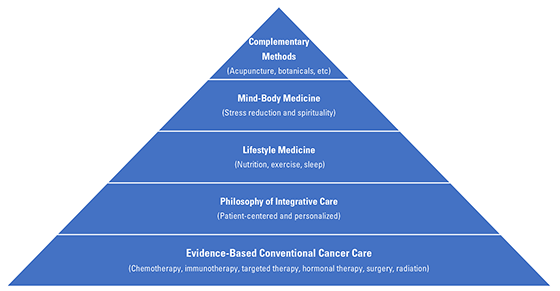
The therapies included in integrative oncology are a combination of conventional treatments, such as chemotherapy and radiation, along with complementary therapies like acupuncture, nutrition counseling, massage, and mind-body practices to enhance overall patient well-being.
How does integrative oncology support cancer treatment?
Integrative oncology supports cancer treatment by combining conventional therapies with complementary approaches, enhancing overall health, alleviating treatment side effects, and promoting emotional well-being, thereby improving patient outcomes and quality of life.
What conditions can integrative oncology address?
Integrative oncology can address a variety of conditions, primarily focusing on cancer and its treatment side effects. It supports overall health, enhances well-being, and helps manage symptoms related to conventional cancer therapies.
How is patient care enhanced through integrative methods?
Patient care is enhanced through integrative methods by combining conventional cancer treatments with complementary therapies, which improve overall health, support organ function, and effectively manage treatment side effects, leading to better health outcomes and quality of life for patients.
What role do nutrition and lifestyle play?
The role of nutrition and lifestyle is crucial in integrative oncology. They significantly enhance overall health, support the body during treatment, and help manage side effects, ultimately improving patient outcomes and quality of life.
How can patients access these services in Seattle?
Patients can access integrative oncology services in Seattle by scheduling an appointment through our website or contacting our office directly. Our team will guide you through the available treatment options tailored to your needs.
What qualifications do integrative oncologists have?
The qualifications of integrative oncologists include a medical degree, specialized training in oncology, and additional education in complementary therapies. They are skilled in combining conventional treatments with holistic approaches to enhance patient care and outcomes.
How does Seattle Integrative Oncology personalize treatment plans?
Seattle Integrative Oncology personalizes treatment plans by assessing each patient's unique medical history, preferences, and treatment goals, integrating conventional therapies with complementary approaches to enhance overall health and well-being.
What evidence supports integrative oncology practices?
Evidence supporting integrative oncology practices includes numerous studies demonstrating improved patient outcomes, such as enhanced quality of life, reduced treatment side effects, and increased treatment adherence when combining conventional therapies with complementary approaches like nutrition, mindfulness, and acupuncture.
How can patients manage side effects effectively?
Patients can effectively manage side effects by utilizing a combination of conventional treatments and complementary therapies, such as nutritional support, mindfulness practices, and symptom management techniques, all under the guidance of healthcare professionals.
What complementary therapies are commonly used?
Complementary therapies commonly used in integrative oncology include acupuncture, massage therapy, nutritional counseling, herbal medicine, and mindfulness practices. These therapies aim to enhance overall well-being and support the body during conventional cancer treatments.
How does integrative oncology improve quality of life?
Integrative oncology improves quality of life by combining conventional cancer treatments with complementary therapies, which can enhance overall well-being, alleviate treatment side effects, and support emotional and physical health throughout the cancer journey.
What is the philosophy behind integrative oncology?
The philosophy behind integrative oncology is to enhance cancer care by combining conventional treatments with complementary therapies, focusing on the whole person to improve health outcomes, support well-being, and manage side effects effectively.
How can family members support patients in treatment?
Family members can support patients in treatment by providing emotional encouragement, assisting with daily tasks, attending medical appointments, and helping to manage treatment side effects. Their involvement fosters a nurturing environment that enhances the patient's overall well-being.
What should patients expect during their first visit?
During their first visit, patients can expect a comprehensive assessment that includes a review of their medical history, discussion of their cancer diagnosis, and an exploration of integrative treatment options tailored to enhance their overall health and well-being.
How are treatment outcomes measured in integrative oncology?
Treatment outcomes in integrative oncology are measured through a combination of clinical assessments, patient-reported outcomes, and quality of life evaluations, focusing on both the effectiveness of therapies and the overall well-being of the patient.
What resources are available for patient education?
Resources available for patient education include informative brochures, online articles, workshops, and access to healthcare professionals who can provide guidance on integrative oncology treatments and complementary therapies tailored to individual needs.
How does Seattle Integrative Oncology ensure safety in therapies?
Seattle Integrative Oncology ensures safety in therapies by employing a team of experienced professionals who carefully evaluate each patient's medical history and treatment plan, integrating complementary therapies that are proven to be safe and effective alongside conventional cancer treatments.
What is the process for developing a treatment plan?
The process for developing a treatment plan involves a comprehensive assessment of the patient's medical history, current health status, and treatment goals, followed by collaboration between the patient and the healthcare team to create a personalized approach that integrates both conventional and complementary therapies.
How can integrative oncology help with emotional well-being?
Integrative oncology can significantly enhance emotional well-being by providing holistic support that addresses the psychological and emotional challenges of cancer treatment. This approach combines therapeutic techniques, counseling, and complementary therapies to promote resilience and reduce stress.
What are the costs associated with these services?
The costs associated with our integrative oncology services vary based on the specific treatments and therapies chosen. We encourage potential patients to contact us directly for detailed pricing information and to discuss insurance options.
How can patients find support groups in Seattle?
Patients can find support groups in Seattle by contacting local cancer treatment centers, hospitals, or community organizations that offer resources for cancer patients. Online directories and social media platforms also provide listings and connections to various support groups in the area.
What is the importance of holistic health in treatment?
The importance of holistic health in treatment lies in its comprehensive approach, addressing not only physical symptoms but also emotional, mental, and social well-being. This fosters better overall health outcomes and enhances the effectiveness of conventional therapies.
How does integrative oncology address pain management?
Integrative oncology addresses pain management by combining conventional pain relief methods with complementary therapies such as acupuncture, massage, and mindfulness practices. This holistic approach aims to reduce discomfort, enhance overall well-being, and improve quality of life for cancer patients.
What are the latest advancements in integrative oncology?
The latest advancements in integrative oncology include the integration of personalized medicine, advancements in nutritional support, and the use of mind-body therapies, all aimed at enhancing patient outcomes and managing side effects more effectively.
How can patients communicate their needs effectively?
Effective communication of needs by patients involves clearly expressing concerns, asking questions, and providing feedback to healthcare providers. Utilizing tools like written notes can also enhance clarity and ensure all important points are addressed during consultations.
What success stories are associated with integrative oncology?
Success stories associated with integrative oncology often highlight improved patient outcomes, such as enhanced quality of life, reduced treatment side effects, and better emotional well-being, achieved through the combination of conventional treatments and complementary therapies.